The seasons at a glance
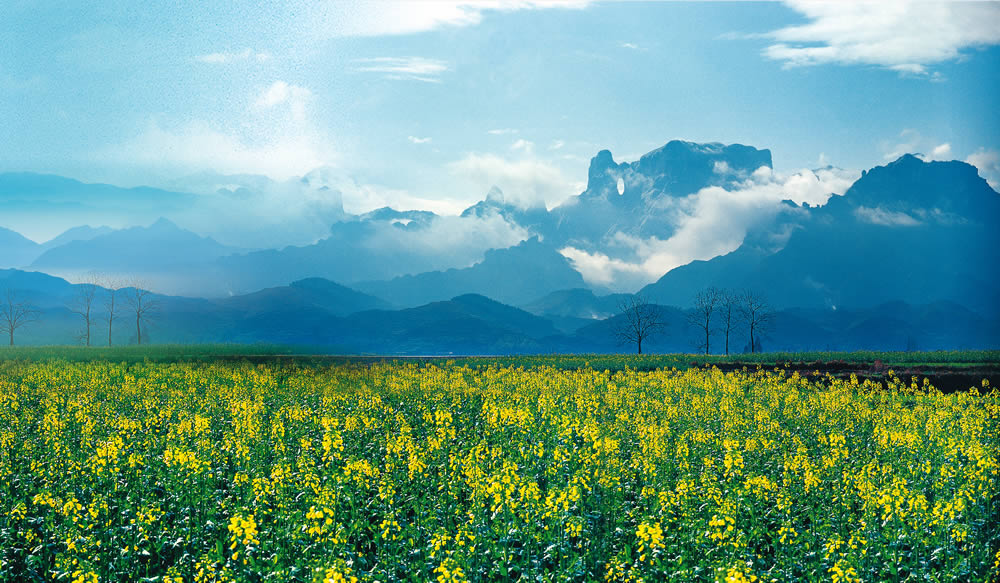
- Spring (Mar–May): swirling mist and early blooms, warming up but often rainy and foggy;
- Summer (Jun–Aug): the summit is cool and good for escaping heat, but thunderstorms are frequent — bring rain gear;
- Autumn (Sep–Nov): clear skies and the best visibility, with a high chance of cloud seas and sunrises — the most comfortable time;
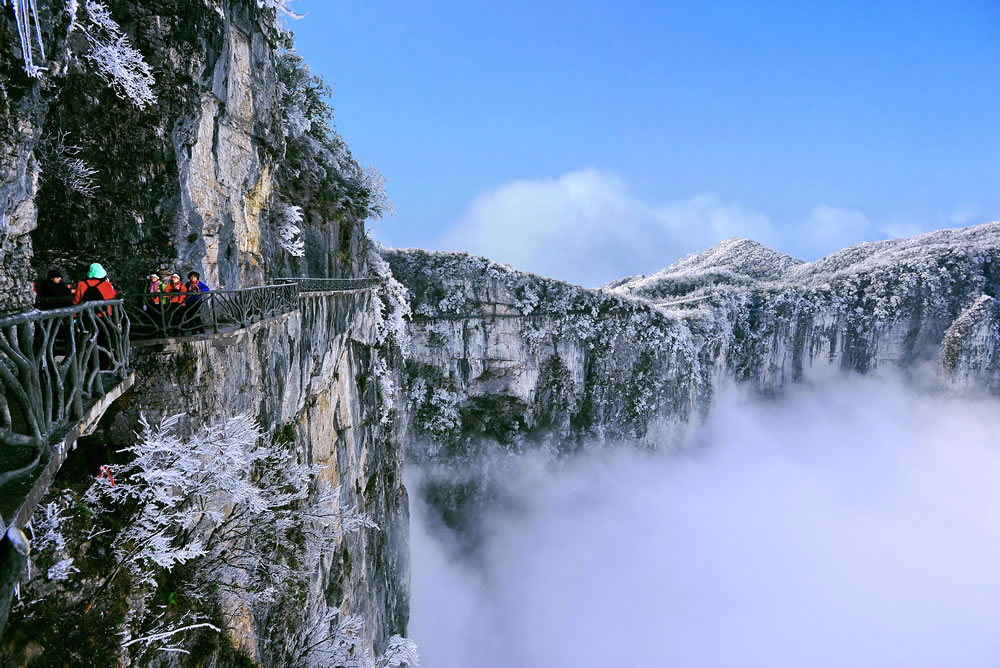
- Winter (Dec–Feb): possible rime, snow and cloud seas; fewer crowds and quieter, but watch your footing and stay warm.
What to wear
- The summit is 5–8°C cooler than the valley — bring a jacket even in summer;
- Spring and autumn evenings are cool — pack a shell; winter needs a down jacket and non-slip shoes;
- On rainy or foggy days bring a raincoat and shoe covers, and watch the slick steps.
Best time
- For comfort and good photos together, September–November is best;
- For the sea of clouds, pick a clear morning after rain — the light around sunrise is loveliest;
- Peak season and holidays are crowded — travel off-peak and enter early.
Handling the weather
- Mountain weather changes fast — check the real-time forecast and the park’s notice before setting out;
- Cableways and walkways may close for strong wind, rain, snow or ice — keep your itinerary flexible;
- When heavy fog limits the view, combine indoor cave stops with outdoor viewpoints.