Why water volume matters most
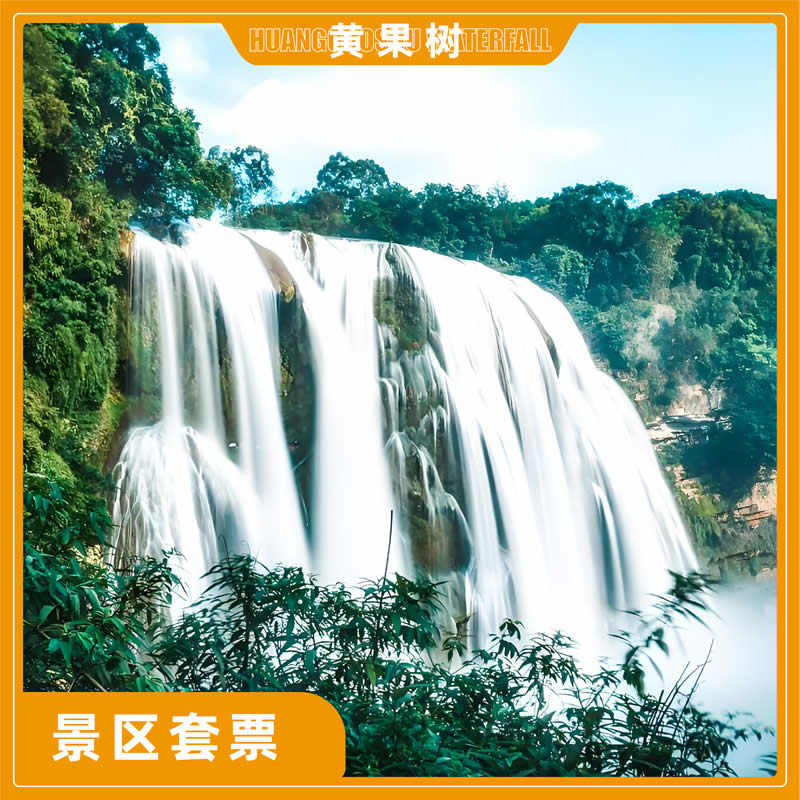
For a waterfall, water volume decides almost everything about the scene. Huangguoshu flows strongly year-round, but the difference between seasons is clear — knowing the water conditions makes your expectations more accurate.
High-water season (about May–October)
Rain makes the flow abundant; the main waterfall is at its most powerful, with thunderous sound and heavy spray, best expressing the "flying torrent." Doupotang and other falls are also grander. The downsides: more crowds, more mist, so bring rain gear, and paths and the cave are wetter.
Medium-water season (transition)
Moderate flow and stable scenes make this a comfortable time. The water divides into clear strands, giving better layering in photos, and closures due to high water are less likely.
Low-water season (winter to early spring)
Less water — the main fall may shrink to thin streams — yet the rock walls, travertine dams and the fall's "skeleton" become visible, revealing its structure and texture. In cold spells, mist may freeze into frost for a different scene. Fewer visitors make it good for quiet viewing and detail photography.
Advice
- For grandeur: high-water season, avoiding holiday peaks;
- For comfort: medium-water season, balancing flow and crowds;
- For structure and quiet: low-water season, but dress warmly;
- Whenever you go, heavy rain or high water may temporarily close areas such as the Water Curtain Cave — follow on-site notices.